CGC Adeniyi Reaffirms Customs’ Commitment to AfCFTA Partnership for Stronger Intra-African Trade
The Comptroller-General of Customs, Adewale Adeniyi, has reaffirmed the Nigeria Customs Service’s (NCS) strong commitment to working closely with the African Continental Free Trade Area (AfCFTA) Secretariat to deepen trade integration across Africa, enhance data reliability, and tackle long-standing barriers to intra-African commerce.
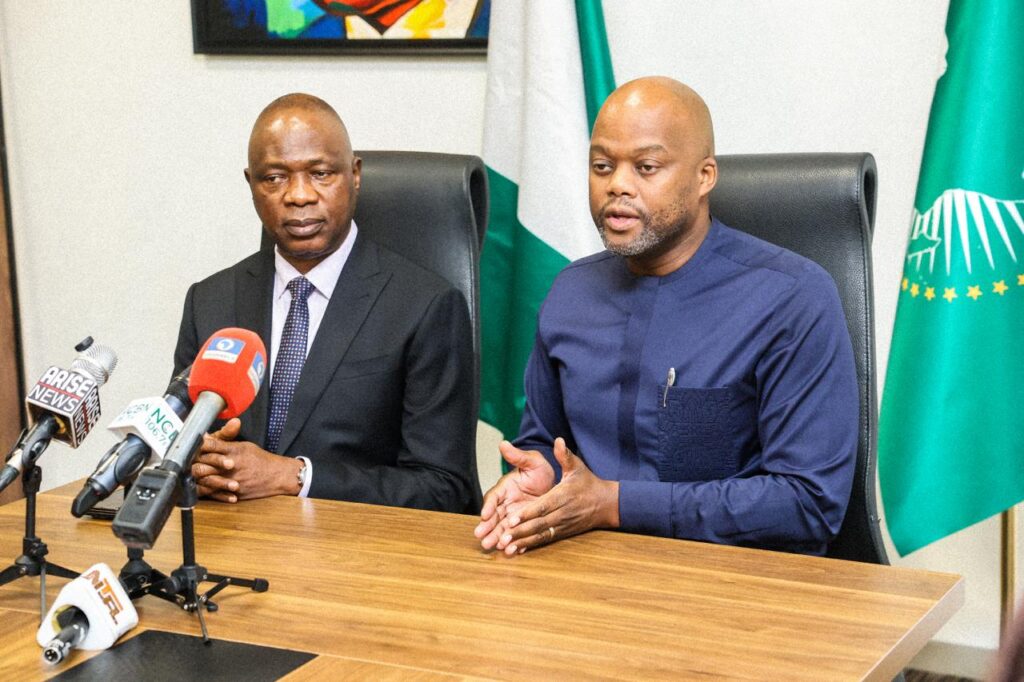
Speaking during a courtesy visit to the AfCFTA Secretariat in Accra, Ghana, on Monday, 3 November 2025, Adeniyi met with senior officials to explore collaborative approaches to boost Customs efficiency and advance the implementation of the AfCFTA Agreement.
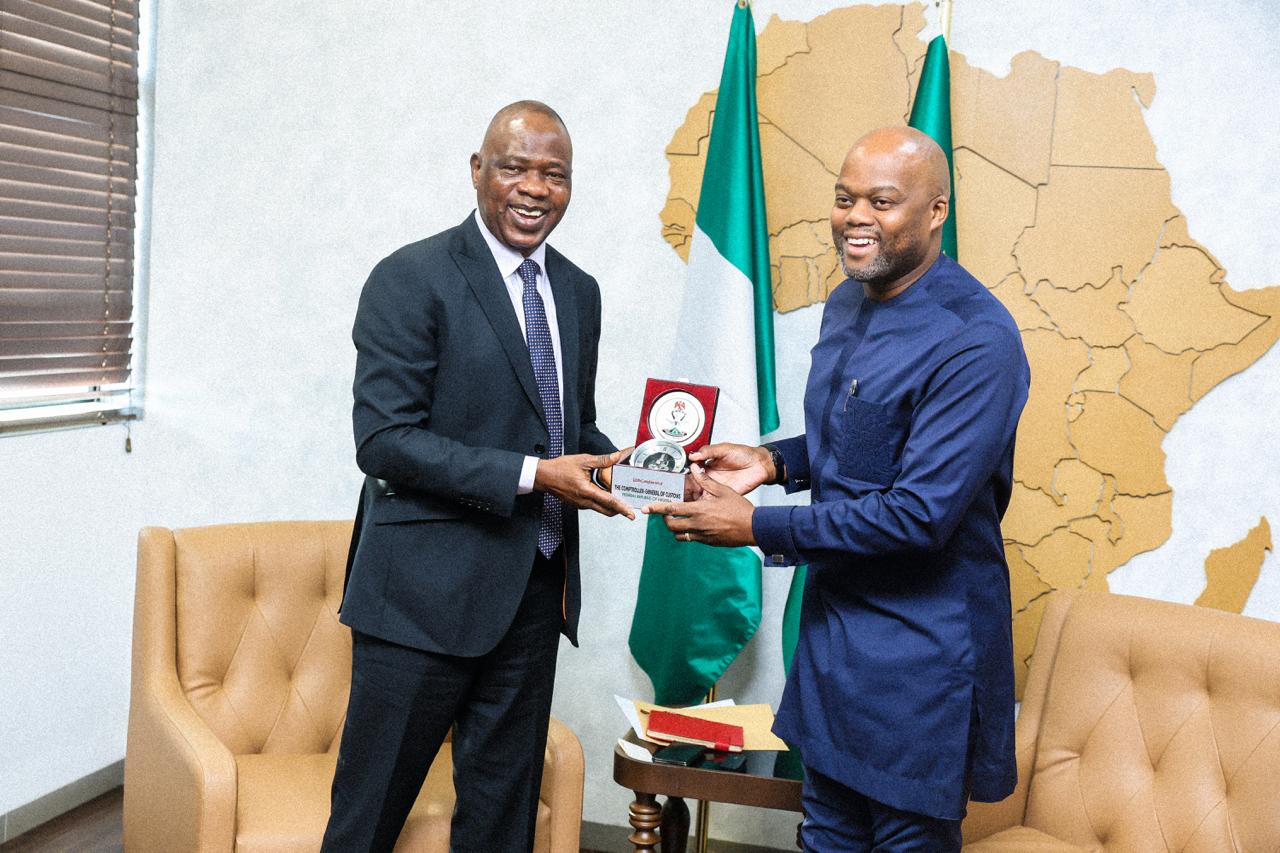
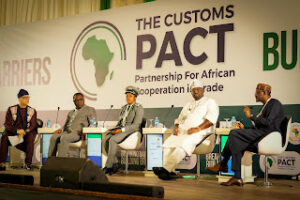
In his remarks, the Customs Chief applauded the Secretariat for its continuous efforts in engaging Customs administrations, development partners, and the private sector to unlock Africa’s trade potential. He noted that the ongoing collaboration had set a clear direction for the forthcoming Customs-Partnership for African Cooperation in Trade (C-PACT) Conference, scheduled for 17–19 November 2025 in Abuja.
“The AfCFTA Secretariat has been instrumental in bringing together Customs administrations and economic stakeholders. Following several consultative meetings and the development of a concept note, we now have a clear roadmap for the Abuja conference,” he stated.
Adeniyi emphasized that one of the key outcomes of these engagements was the recognition that Customs administrations must take the lead in addressing trade data deficiencies across the continent.
“Customs must assume a central role in resolving the long-standing challenges in Africa’s trade data. I have accepted this task in collaboration with my fellow Customs leaders,” he affirmed.
He further stressed the need to reinforce the existing AfCFTA structure that brings together all heads of Customs administrations, ensuring lasting institutional coordination and consistent policy direction.
“The framework uniting all Customs heads under the AfCFTA must be strengthened. Once the Customs PACT is institutionalised, it should function effectively within the Secretariat’s system to drive sustainable trade facilitation,” he added.
The Comptroller-General identified key challenges—including fragmented policies, poor data integration, and limited inter-agency cooperation—as major constraints to Africa’s trade potential. He expressed confidence that the upcoming C-PACT Conference would set new standards for Customs collaboration and data-driven governance across the continent.
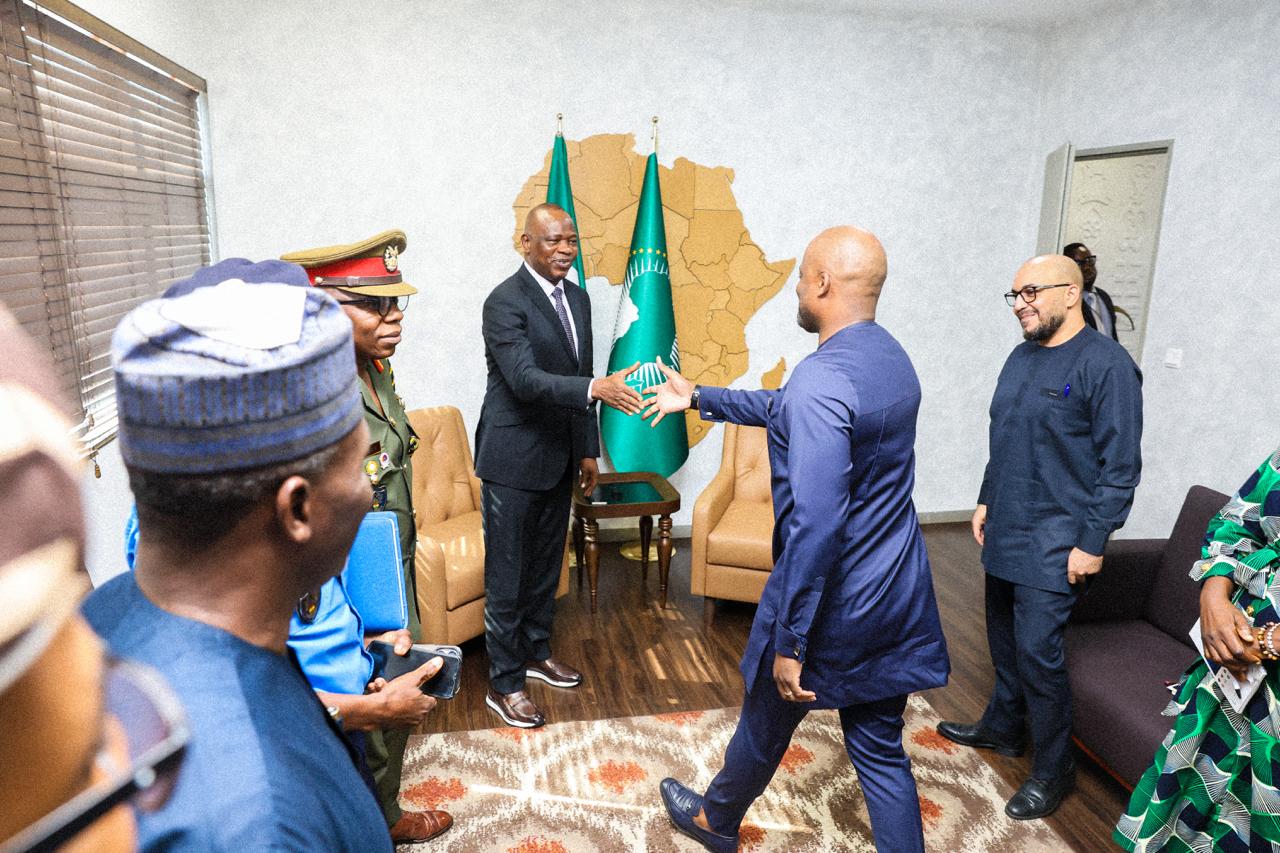
In response, AfCFTA Secretary-General Wamkele Mene welcomed the Nigerian delegation and commended the Nigeria Customs Service for its leadership in promoting regional Customs cooperation.
Mene acknowledged persistent barriers to Africa’s trade growth, including inadequate logistics, high transportation costs, and weak institutional coordination. He noted that the Secretariat continues to engage stakeholders—especially the private sector, Customs authorities, and trade ministries—to strengthen inter-ministerial collaboration and advance sustainable trade facilitation.
The Secretary-General expressed optimism that the C-PACT Conference would serve as a vital platform for addressing these challenges and developing actionable policy solutions. He revealed that the Secretariat is considering institutionalising the C-PACT as an annual event to maintain dialogue on Customs cooperation and data integration.
Recalling the Secretariat’s Memorandum of Understanding with the World Customs Organization (WCO), Mene explained that the partnership aims to boost private sector participation and support the implementation of electronic certificates of origin across Africa. He also referenced ongoing plans for a Single Bond Guarantee Scheme to enhance the AfCFTA’s Annex on Transit and improve cross-border trade efficiency.
Reaffirming the critical role of Customs in the AfCFTA implementation process, Mene called for stronger involvement of Customs administrations in developing Africa’s trade data systems, Authorised Economic Operator (AEO) mutual recognition frameworks, and comprehensive trade statistics management.
About The Author