Ibeto Seaport Command Boosts Ethics, Public Trust Through Training
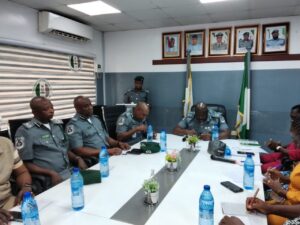
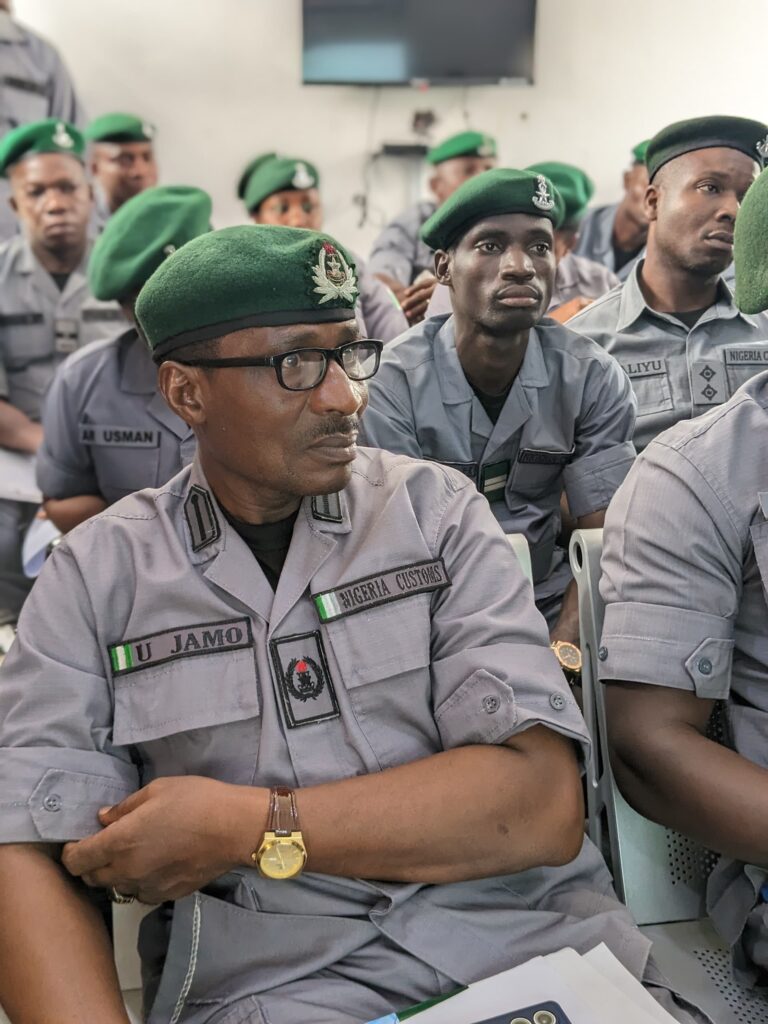
The Ibeto Seaport Area 5 Command of the Nigeria Customs Service (NCS), Port Harcourt, has conducted a Reputation Management Cascade Training aimed at reinforcing ethical standards, professional conduct, and the corporate image of the Service.
The training, which was recentyly held, forms part of a Service-wide initiative to institutionalise integrity, accountability, and public confidence in Customs operations, The Maritime First gathered.
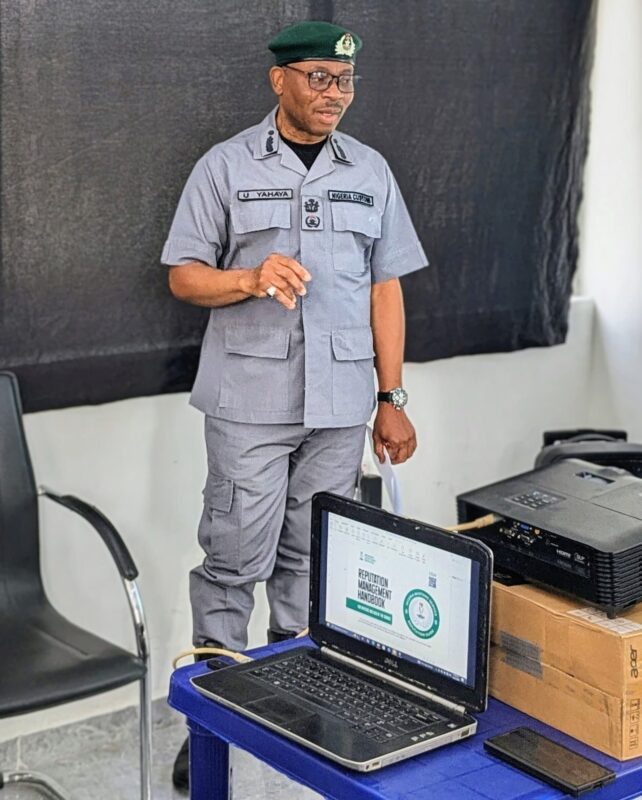
Declaring the programme open, the Customs Area Controller (CAC), Comptroller Usman Yahaya, urged officers to remain focused and actively participate in all training modules. He described reputation as “a currency more valuable than money,” stressing that it follows an individual everywhere and must be consciously built with integrity and safeguarded with courage. According to him, the conduct of every officer reflects directly on the image of the entire Service.
This was contained in a press statement signed by the Command’s Public Relations Officer, CSC Tangwa Emmanuel.
Five facilitators led officers and management through carefully structured sessions. The lead facilitator, Deputy Comptroller of Customs in charge of Revenue, DC Jacob Onele, delivered an in-depth presentation on the fundamentals of Reputation Management and its application within the NCS. He highlighted the objectives of the Reputation Management Handbook, emphasising that it is mandatory reading for all officers.
DC Onele explained the importance of reputation management to the Service, noting that public perception is shaped by officers’ conduct, communication style, transparency in operations, complaint resolution, clarity of engagement, and overall interaction with stakeholders. He outlined the responsibilities of leadership, senior management, public relations officers, and field operatives at command and zonal levels, concluding that the strength of the NCS lies not only in enforcement but also in the trust earned through daily interactions and clearance processes.
Speaking on “Crisis and Reputational Risk Management,” the Assistant Comptroller and Acting Deputy Comptroller Administration, AC OE Ita, addressed the consequences of misconduct and the public backlash it often generates. He cited past instances where officers’ actions negatively impacted the Service’s image and outlined practical measures for managing such crises to minimise damage and rebuild public confidence.
Another facilitator, Assistant Comptroller MS Abdullahi, Chief Examiner of the Command, spoke on media controversies and misinformation affecting the credibility of the Service. He advised officers to avoid public confrontations or defensive responses, stressing the importance of conducting a SWOT analysis before reacting to sensitive issues and ensuring all responses align with institutional values and established communication protocols.
Deputy Comptroller HA Barka, Team Manager of the Customs Intelligence Unit, focused on operational lapses, corruption allegations, and the role of Customs Reputation Ambassadors. He differentiated between inadvertent operational errors and deliberate acts of corruption, urging officers to strictly adhere to approved communication channels and apply lessons learnt to future engagements in order to protect the Service’s image.
The final session was delivered by Deputy Comptroller BA Lawson Wadike, who spoke on the Golden 7Cs for Nigeria Customs Service officers. She described the 7Cs not merely as rules but as a guiding compass that steers officers toward honour, professionalism, discipline, and dedicated national service.
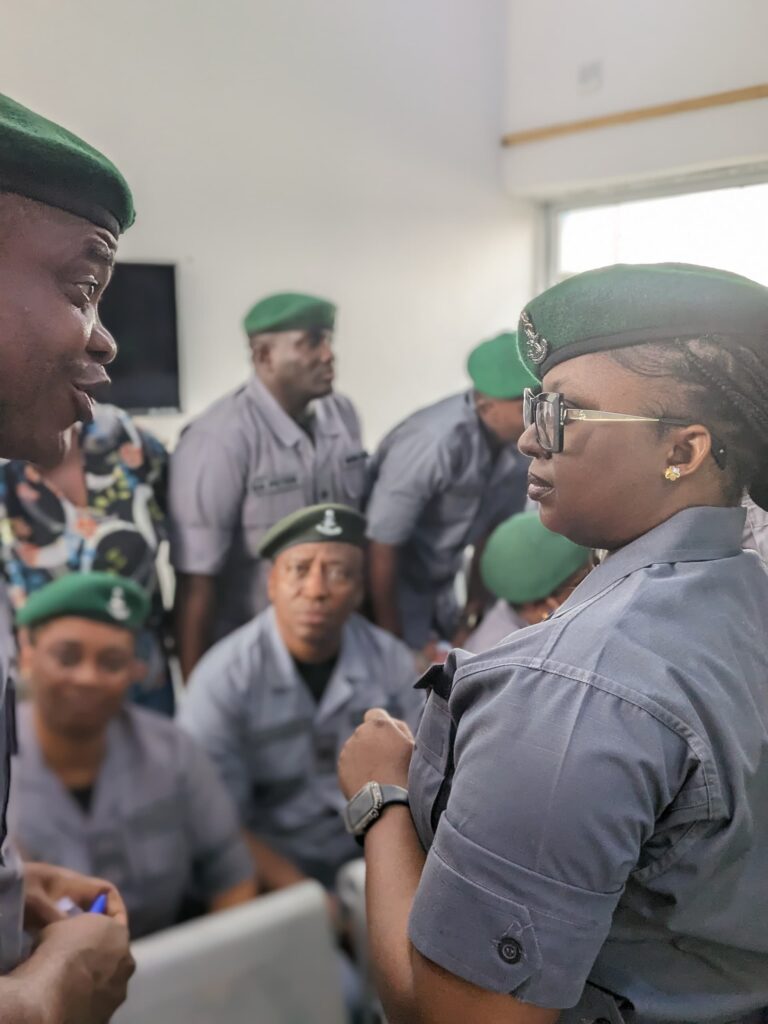
The programme featured interactive discussions, question-and-answer sessions, and syndicate exercises. Participants were divided into two groups and tasked with developing practical scenarios and solutions for managing reputational challenges. All sessions were supported with detailed slide presentations to enhance understanding and participation.
Participants commended the initiative, noting that it deepened their understanding of reputation management. Many observed that a single act of misconduct can tarnish the image of countless honest officers, reinforcing the principle that reputation management begins with individual accountability.
The training reaffirmed the Ibeto Seaport Command’s commitment to ethical conduct, professionalism, and the sustenance of public trust in Customs operations.
About The Author