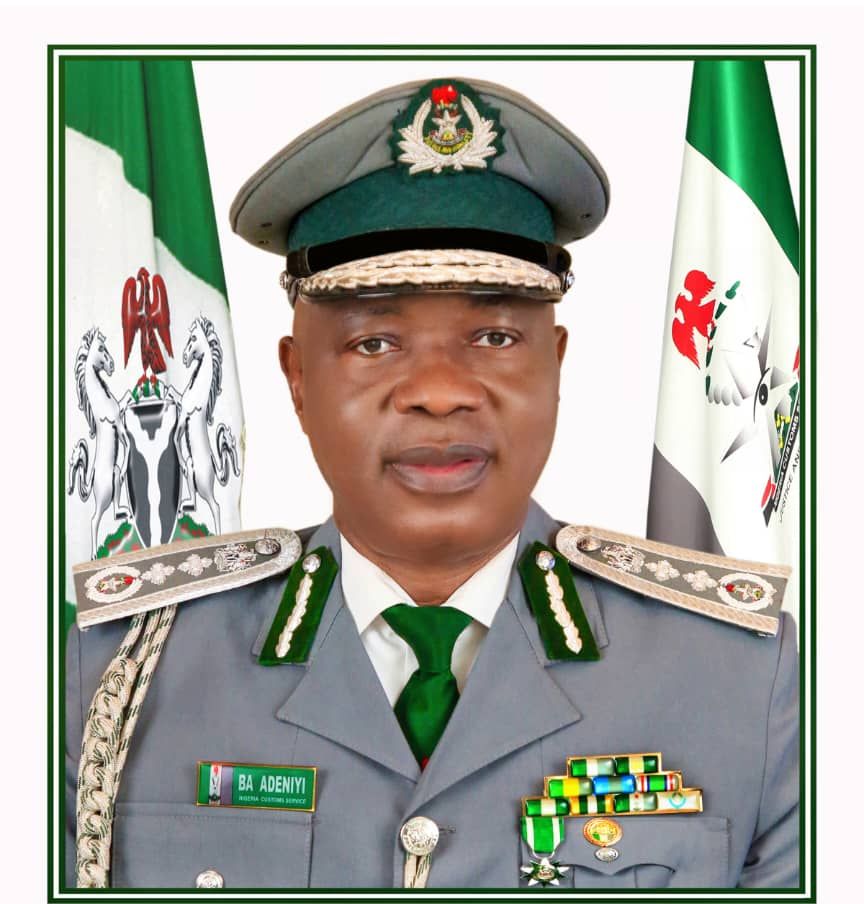
AfCFTA to Replicate Nigeria Customs’ Digital Reforms Across Africa
The African Continental Free Trade Area (AfCFTA) has expressed its readiness to replicate the Nigeria Customs Service’s (NCS) indigenous digital innovations across other African countries as part of efforts to modernise customs administration and boost intra-African trade.
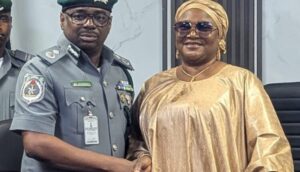
AfCFTA Secretary-General, Wamkele Mene, disclosed this during a working visit to the NCS Headquarters in Abuja on August 6, 2026.
According to a statement issued by the NCS National Public Relations Officer, Deputy Comptroller Abdullahi Maiwada, Mene commended the Service for developing innovative technologies capable of transforming customs operations across the continent.
He noted that several African countries still depended heavily on manual customs procedures, which contributed to revenue leakages, delays at borders, and limited intra-African trade.
Mene described Nigeria’s technological advancement in customs administration as a sustainable model that could be adapted by other African countries to improve efficiency and strengthen revenue collection.
Responding, the Comptroller-General of Customs, Dr Bashir Adewale Adeniyi, thanked the AfCFTA Secretary-General for recognising the Service’s modernisation efforts.
Adeniyi reaffirmed the NCS’s commitment to developing technology-driven solutions that reflect Africa’s unique trade environment while supporting the objectives of the continental free trade agreement.
He added that the recognition from AfCFTA further strengthened the Service’s resolve to sustain its ongoing digital transformation and modernisation agenda.
Technology Driving Customs Transformation
In a related development, Adeniyi attributed the transformation of the NCS to the deliberate deployment of technology across various aspects of customs administration.
He made the remarks during a two-day retreat between the NCS and the Senate Committee on Customs and Excise in Abuja, which focused on strengthening legislative oversight and reviewing the Nigeria Customs Service Act.
According to Maiwada’s statement, the Comptroller-General said technology had significantly improved the speed, efficiency, and effectiveness of Customs operations.
He explained that the Service had also incorporated advanced technological tools into its enforcement activities, including virtual shooting simulators, geospatial intelligence, and digital surveillance systems.
Adeniyi further noted that the Nigeria Customs Service Act provides the legal framework supporting several of the Service’s modernisation initiatives.
Speaking during the retreat, the Chairman of the Senate Committee on Customs and Excise, Senator Isah Jibrin, commended the reforms implemented under Adeniyi’s leadership.
Jibrin said the reforms reflected ongoing efforts to enhance the efficiency of the NCS and ensure effective utilisation of resources allocated to the Service.
He noted that the lawmakers’ visit provided an opportunity to witness the transformation of the Service firsthand, while the retreat offered them greater insight into how appropriated funds were being deployed to support Customs operations and modernisation.